What they achieved
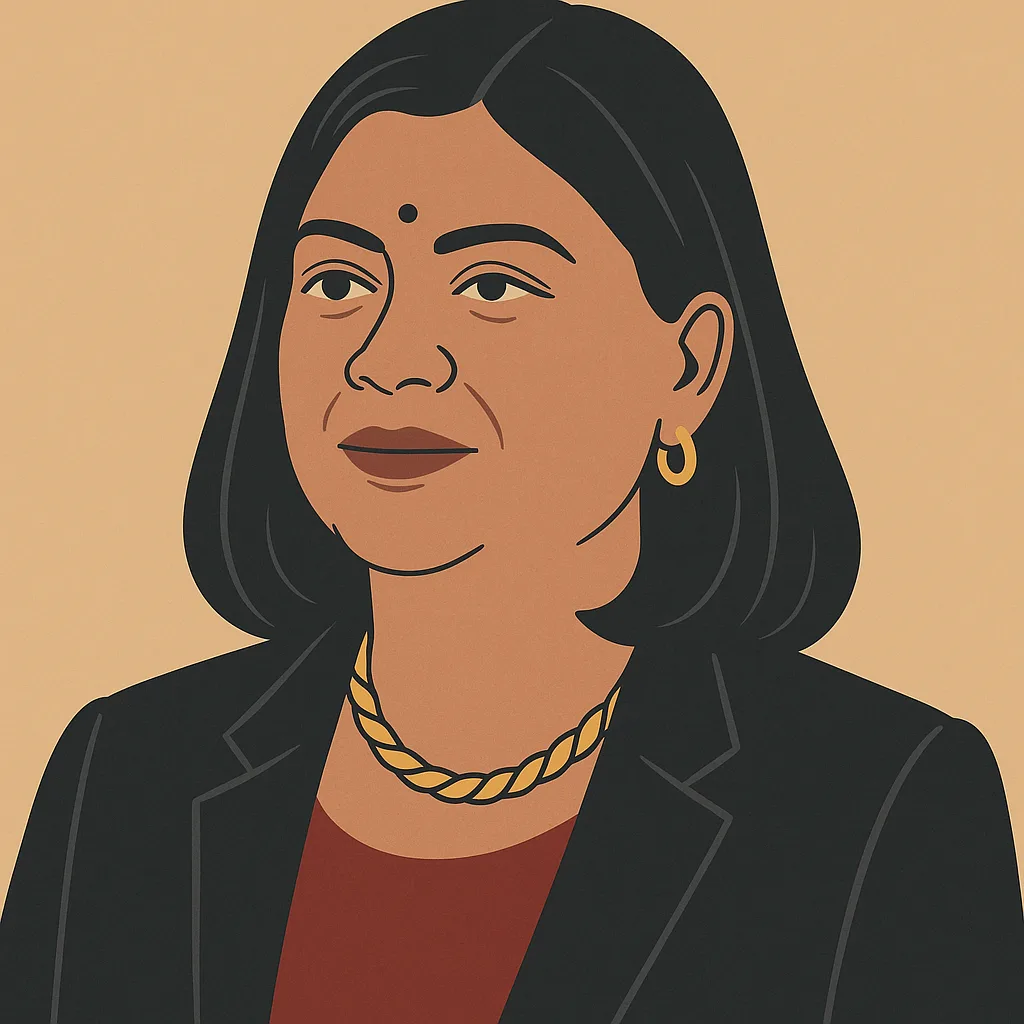
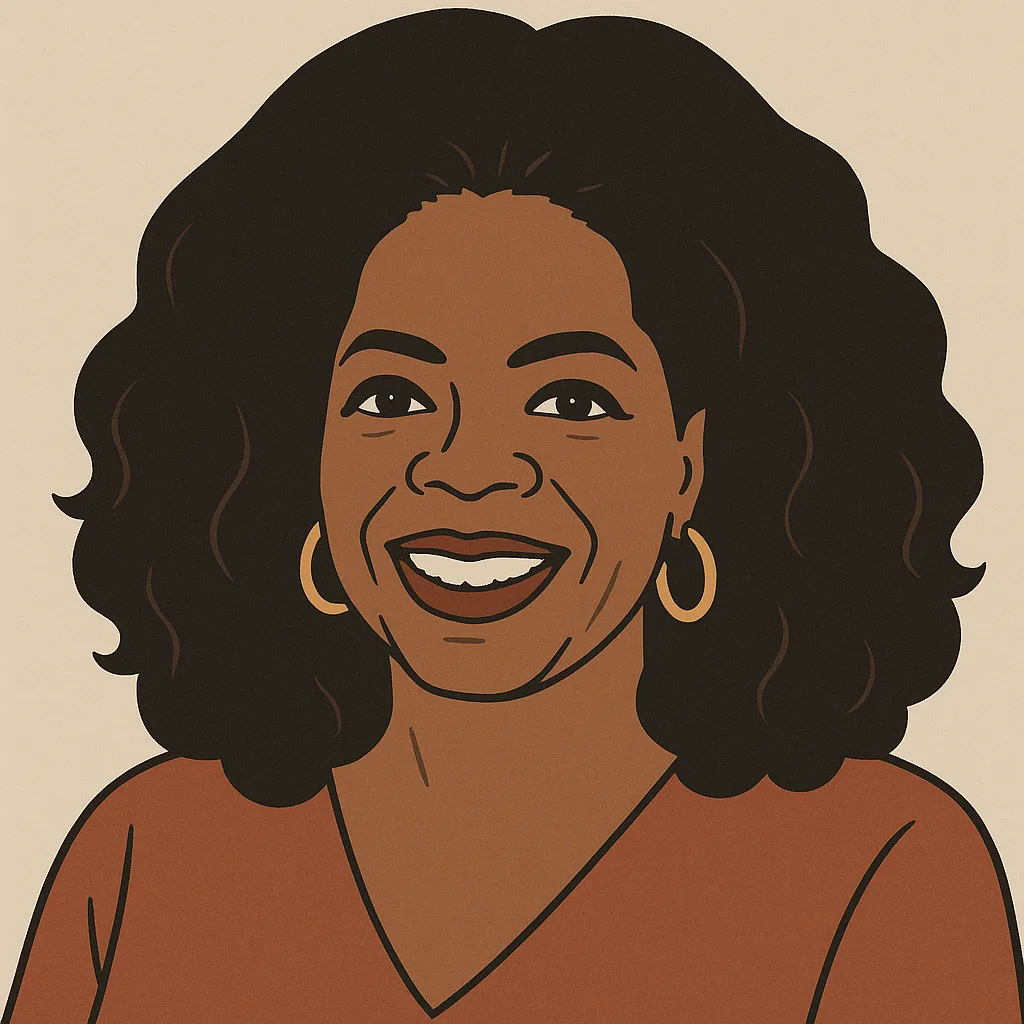
Oprah Winfrey built one of the most successful media businesses ever by owning her own content. Through Harpo Productions, founded in 1986, she controlled The Oprah Winfrey Show, becoming reportedly the first Black woman billionaire and expanding into magazines, film, and a cable network.
The founding story
Winfrey rose from a difficult childhood to become a Chicago talk show host whose local show quickly beat national competition. Rather than remain a hired host, she founded Harpo Productions in 1986 and, in 1988, took ownership of The Oprah Winfrey Show, a move that was rare at the time for a talk show host, and a historic one for a Black woman. Ownership, not salary, is what made her wealthy.
Overview
The Oprah Winfrey Show went national in September 1986 and ran 25 seasons through 2011, at its peak reaching tens of millions of viewers. Harpo expanded into film, O, The Oprah Magazine, and Oprah's Book Club, whose picks reliably became bestsellers. In 2011 she launched OWN, the Oprah Winfrey Network, a joint venture with Discovery.
Analysis
Winfrey's decisive business insight was ownership: by producing and owning her show through Harpo, she captured the value she created instead of licensing it away. Her personal brand, trust, candor, relatability, became a distribution engine so powerful that an Oprah endorsement could make a book a bestseller or turn a product into an overnight success. She turned audience trust into a durable, transferable asset.
What they did well
Converting talent into equity, building an authentic and trusted personal brand, and extending that brand across formats. She reinvested her platform to launch others (authors, experts, products), compounding her influence.
What it means for you
Own your work whenever you can, the person who owns the asset captures the upside. Build genuine trust with an audience before you try to monetize it, and treat your reputation as an asset you can extend into new products and channels.
Caveats
Oprah's rare talent on camera and cultural timing that comes once in a generation aren't replicable by will alone, and personal brand businesses are fragile, they hinge on one person's reputation and health. OWN also struggled early, a reminder that even a huge brand doesn't guarantee every venture works. Don't assume audience love automatically becomes a scalable business.
Conclusion
Winfrey's lesson is about ownership and trust: create value, own it, and build a reputation people believe in. The talent is hers; the principle of owning your work is yours to use.