
On August 2, 2026 the bulk of the EU AI Act became applicable, including Article 50 transparency duties (disclosing chatbots and labeling AI-generated content, the latter deferred to Dec 2, 2026), high-risk-system rules, national sandbox requirements, and the AI Office's governance and enforcement powers. Penalties reach up to €35 million or 7% of global turnover.
Why this matters for founders
Any startup shipping AI features to EU users should audit now for chatbot/AI-content disclosure and high-risk classification—non-EU companies are in scope whenever they serve the EU market.
Related updates
More that helps you.

EU designates ChatGPT under the Digital Services Act, first standalone AI service
On August 31, 2026 the European Commission designated OpenAI's ChatGPT as a Very Large Online Search Engine under the Digital Services Act (alongside Reddit and Roblox as VLOPs), c…

EU AI Act transparency rules now enforceable, fines up to 3% of global turnover
From 2 August 2026 the EU Commission's AI Office and national authorities began enforcing the AI Act's transparency duties: chatbots must disclose they are AI, deepfakes and AI-gen…
EU AI Act enforcement against general-purpose AI providers goes live
As of August 2, 2026 the European Commission can actively investigate and fine providers of general-purpose AI models under the EU AI Act. Duties include technical documentation, d…

AI transparency rules now enforced in Sweden: label chatbots and AI content
From 2 August 2026 the EU AI Act's transparency obligations (Article 50) are enforced and apply directly in Sweden: businesses must tell users when they are interacting with a chat…
Get briefs like this tuned to you.
In the app, Founder Briefs are personalized to your country, industry and stage, and you can save the ones that matter.
See plans →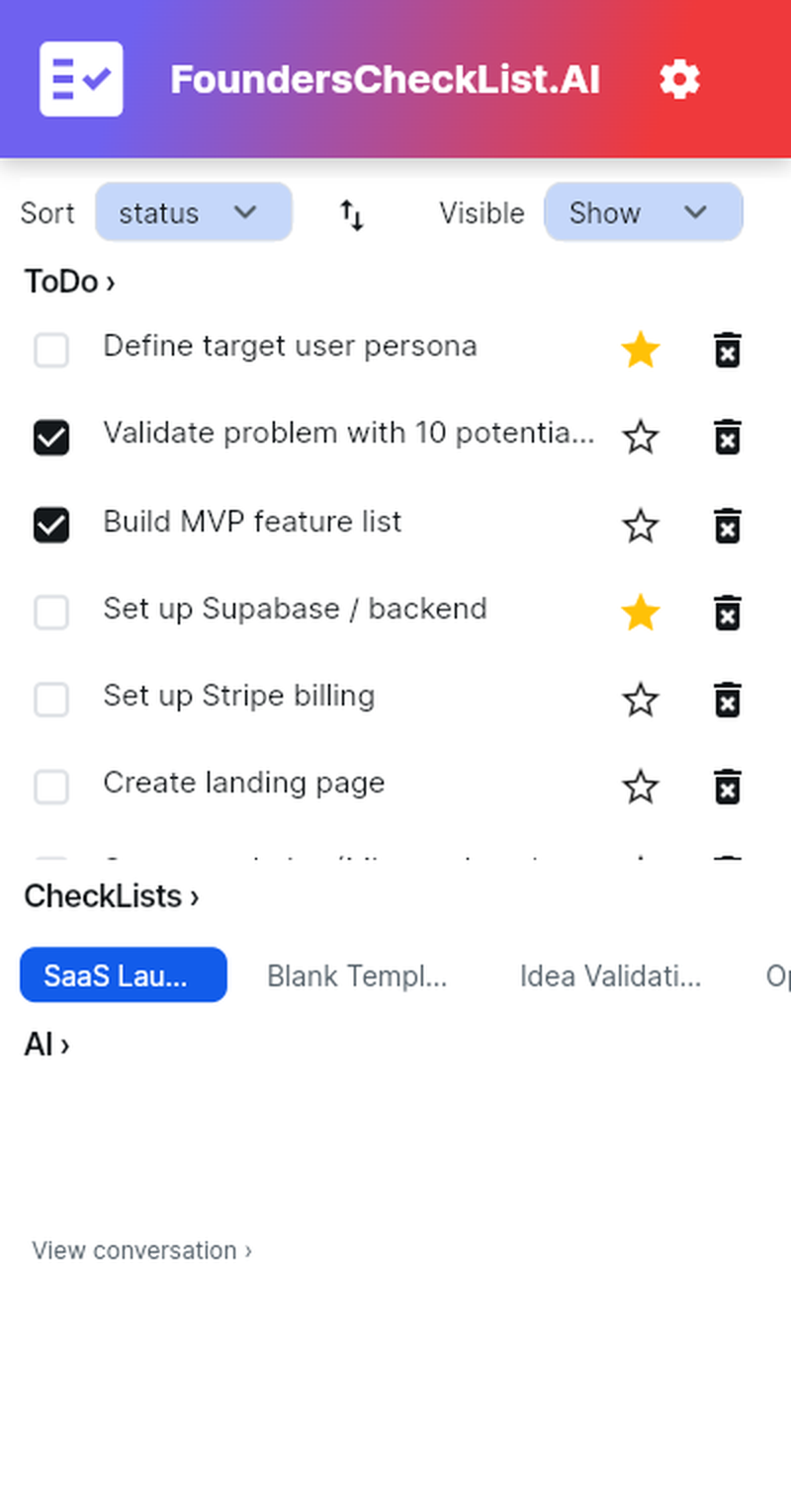

Keep exploring
Related across the site
ChecklistHire your first employee the legal wayEverything a first-time employer needs, in order: classification, registration, workers' comp, payroll, and a first week that sets your new hire up to succeed.ToolClerkyClerky handles startup incorporation and legal paperwork specifically for founders raising venture capital, generating Delaware C-corp filings, founder stock, and fundraising documents. It focuses on getting the legal details right for future investment.ToolDocuSignDocuSign lets you send documents for legally binding electronic signature and track their status. It handles contracts, NDAs, offer letters, and other agreements with an audit trail.ToolLegalZoomLegalZoom helps you form an LLC or corporation and access legal documents, registered agent service, and attorney consultations. It walks non-lawyers through business formation filings.Term409A ValuationAn independent appraisal of a private company's common stock, used to set the strike price for employee stock options in the US.TermEIN (Employer Identification Number)A unique nine-digit number the US IRS assigns to your business for tax and identification purposes, like a Social Security number for your company.