What they achieved
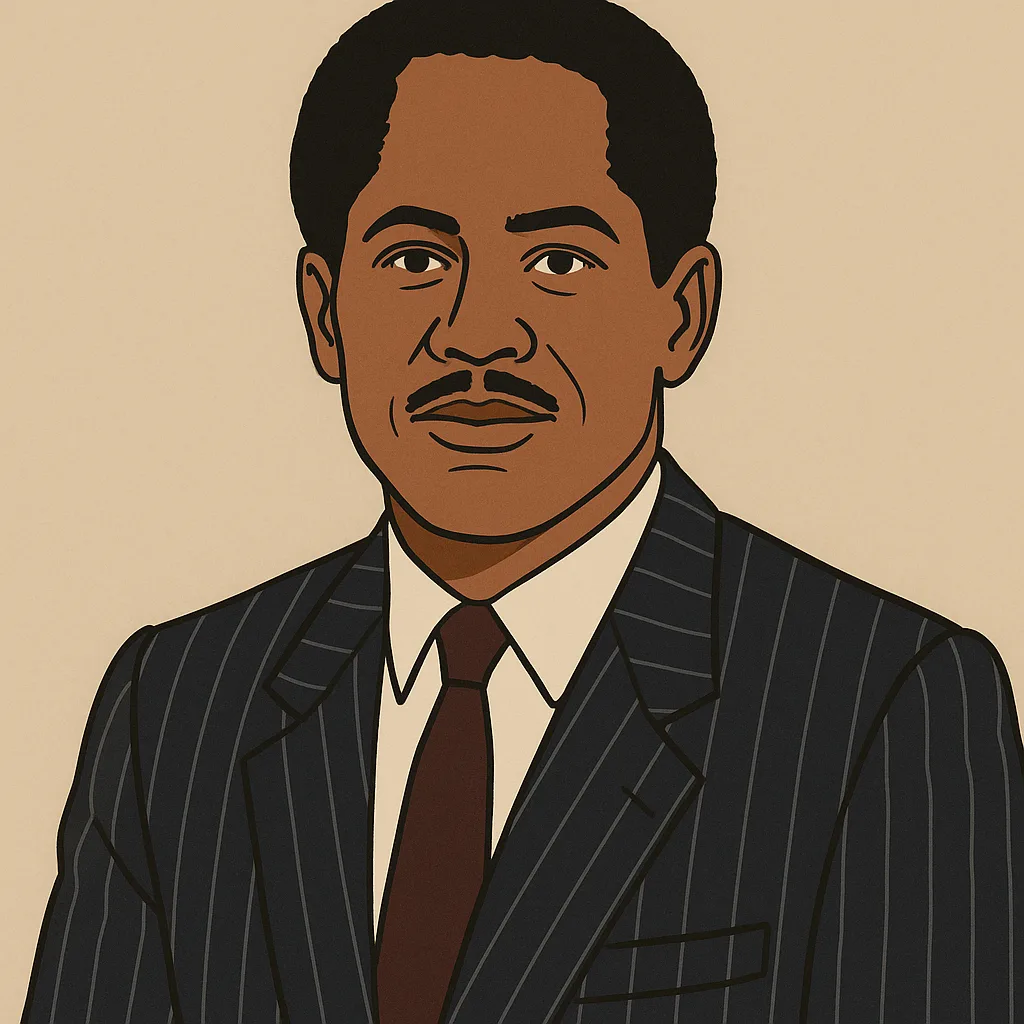
Reginald F. Lewis executed one of the largest leveraged buyouts of its era and, in doing so, built the first Black-owned business to cross $1 billion in annual sales. His 1987 acquisition of Beatrice International Foods for about $985 million put him among the top ranks of Wall Street dealmakers.
The founding story
Lewis trained as a corporate lawyer at Harvard Law and ran his own firm before pivoting to deals. He formed the TLC Group and first proved the model by buying and turning around the McCall Pattern Company, which he later sold at a large profit. That win gave him the credibility and capital to attempt something far bigger.
Overview
In November 1987 Lewis acquired Beatrice International, an amalgamation of 64 companies operating in 31 countries. Financed by Drexel Burnham Lambert and Michael Milken's high-yield network, it was then the largest buyout of overseas assets by an American company. Lewis restructured the sprawling business, sold non-core units to pay down debt, and grew the remainder.
Analysis
Lewis's edge was combining elite legal skill with dealmaking nerve. He understood leverage, valuation, and negotiation at a level few peers matched. Crucially, he had already done a smaller LBO successfully, so Beatrice was a scaled-up repeat, not a leap of faith. He entered a booming 1980s buyout market and used it fully.
What they did well
He built a track record before betting big. He assembled sophisticated financing partners. And he moved fast to simplify a complex, multinational holding, using asset sales to service debt rather than clinging to every unit.
What it means for you
Earn the right to your big bet with a smaller proven win first. This builds both skill and investor trust. Master the mechanics of your field so deeply that you can move faster than competitors. And when you inherit complexity, focus ruthlessly: sell or cut what doesn't fit the core.
Caveats
The 1980s LBO boom, Drexel's junk-bond machine, and Milken's network were era-specific conditions that no longer exist in the same form. High leverage is a double-edged sword that has bankrupted many. Lewis's path also ran through Harvard Law and Wall Street relationships, a level of access most founders won't have. His early death at 50 cut the story short.
Conclusion
Lewis showed that legal and financial mastery, applied with nerve, could break barriers previously thought impassable. The transferable lesson is preparation and focus: prove the model small, secure the right partners, then simplify relentlessly.