Why this matters
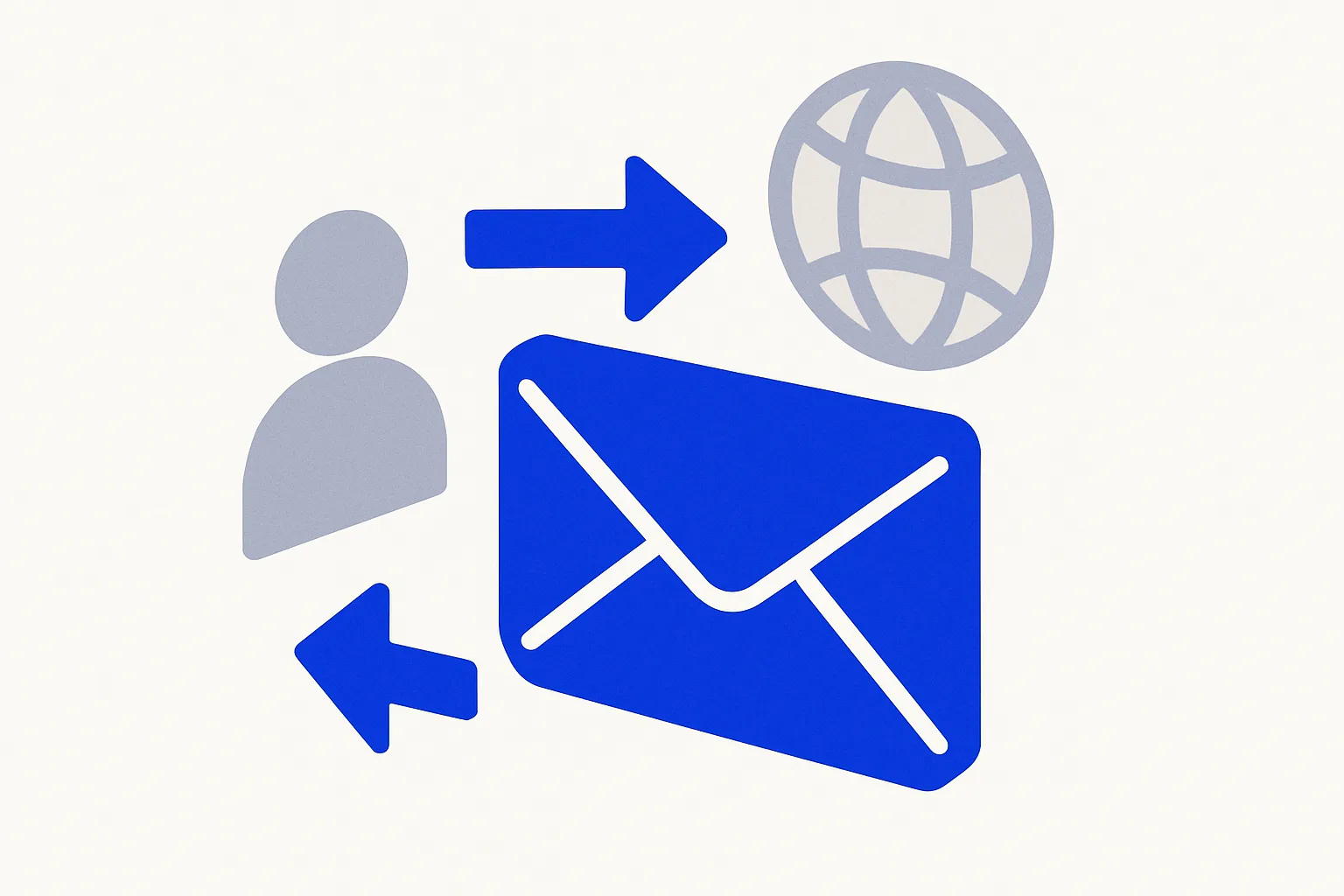
Your existing customers are your warmest, cheapest source of sales, and they convert far better than strangers. Announcing to your list first rewards loyalty, builds early momentum, and gives you real feedback before the public push. Skipping them wastes the audience you already earned.
What "done" looks like
- An email to your own list before any public announcement
- Early or exclusive access framed as a thank-you
- A clear offer, deadline, and link in the message
- The public launch following a day or two later
- Early results reviewed before the wider push
How to do it
- Email the list first. Send the offer to existing customers before posting publicly or running ads.
- Frame it as a perk. Give them early access or a small extra so it feels like a reward for loyalty.
- Make the ask clear. Include the offer, the deadline, and a direct link or address to act on.
- Watch the early response. Use their clicks and questions to catch issues before the public sees it.
- Then go public. Roll out the social and in-store push a day or two after the list gets its head start.
Common mistakes
- Launching to the public and socials before your own customers hear it
- A list email with no exclusive angle, so loyalty goes unrewarded
- Burying the offer and deadline in a long, unfocused message
From a founder's point of view
Your email list is the audience you already own and don't pay to reach again. Giving them the first look isn't just courteous; it's the smartest opening move, because they buy fastest and flag what's off before the crowd arrives. Treat the list as the front of the line.
Rule of thumb
If the public heard about your promotion before your own customers did, you ran the play backward.