Why this matters
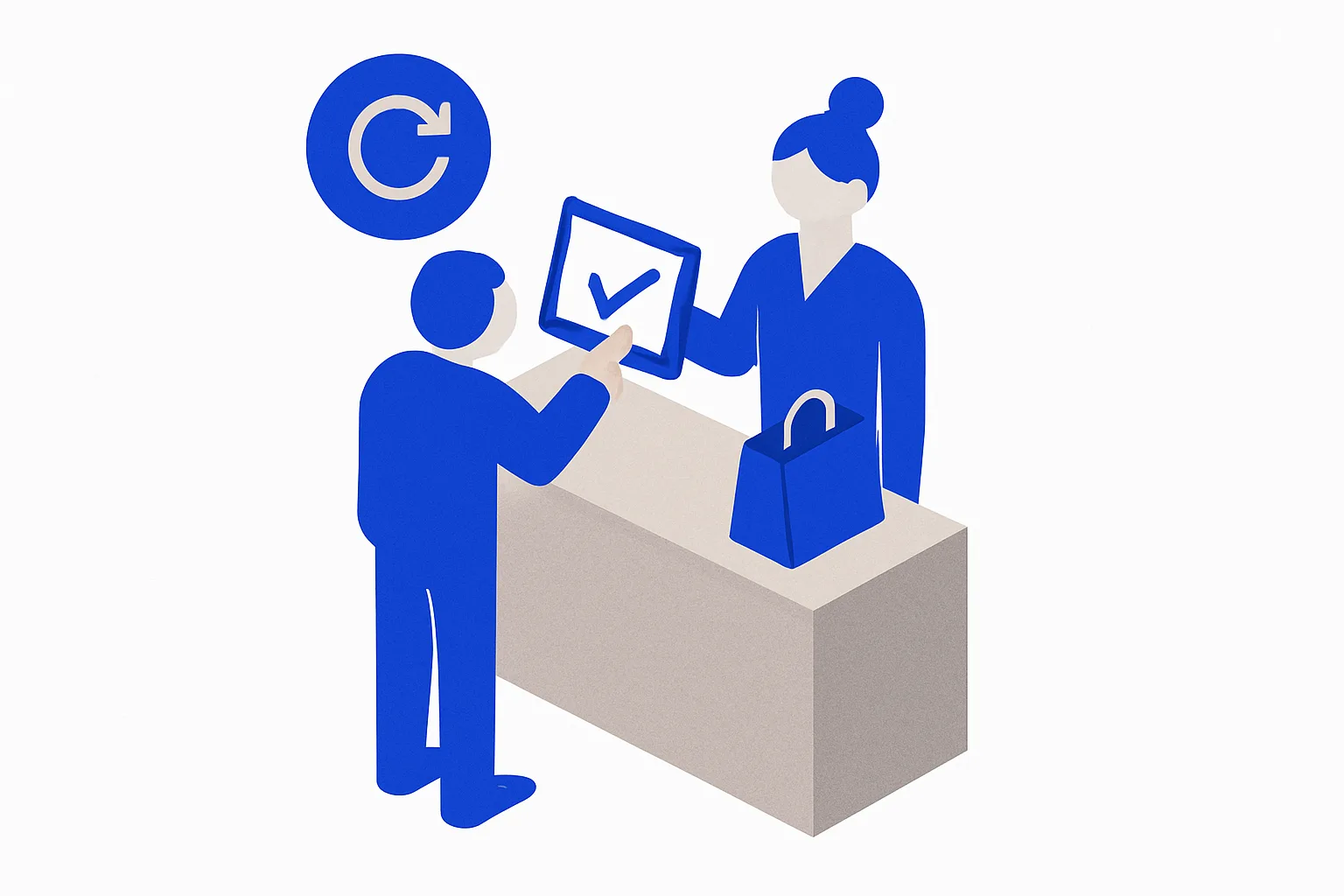
A salon does not live on new clients. It lives on the same clients returning every 4 to 8 weeks. A client who leaves without a next appointment may rebook later than ideal. Rebooking at checkout is the highest leverage habit in the building: it costs nothing and turns one visit into predictable annual revenue.
What "done" looks like
- Every client is offered a specific next appointment before they pay, every visit, by every stylist
- Automatic confirmations and reminders go out (48 and 24 hours ahead)
- Rebooking rate is tracked weekly per stylist, with an internal target of 60% or more at checkout
- Each service has a recommended return interval the whole team quotes consistently
How to do it
- Script the ask and make it specific. Not "want to book your next one?" but "for this cut, five weeks is ideal. I have Thursday at 4:00 or Saturday at 10:00. Which works?"
- Tie the interval to the service during the appointment. "This color will start showing roots around week six" makes the rebook the client's idea.
- Use booking software with automated reminders (most salon platforms run $25 to $50/month) so rebooked slots actually get kept, and make rescheduling one tap.
- Track the number. Review the rebook rate per stylist weekly. Weekly tracking reinforces consistent rebooking.
- Sweeten only if needed. A small perk on the fifth visit is fine. Discounts for basic rebooking teach clients to wait for deals.
Common mistakes
- Stylists "not wanting to be pushy," which in practice means sending revenue to whichever salon asks
- Vague closes ("call us when you need us") instead of offering two concrete slots
- Rebooking well but skipping reminders, converting bookings into no shows
Real world examples
- A salon can set a 60% checkout rebooking rate as an internal target and compare each stylist's results against the salon's own baseline. The difference often comes down to process, not luck.
- A practical approach is to make rebooking part of the standard checkout workflow rather than something staff remember on a good day, and to have the front desk proactively offer specific time slots rather than a vague "see you next time."
- Rebooking pairs naturally with online booking and appointment reminders, so the next visit is captured at the counter and confirmed before it can quietly slip.
From a founder's point of view
The next appointment is easiest to win in the ninety seconds while the client is happy and standing at the counter. Once they walk out, you're competing with their whole busy life to get them back. Most owners underinvest here because it feels pushy, but a simple "want me to hold the same time in four weeks?" is a service, not a hard sell. Building that one line into every checkout is one of the cheapest ways to turn occasional visits into predictable revenue.
Rule of thumb
If fewer than half your clients walk out with their next appointment on the books, you may not have a retention problem. You may have an asking problem.