Why this matters
A pitch that sounds great in your head falls apart on first contact with a live human. Rehearsing, roleplay first, then a recorded run with someone who matches your buyer, finds the weak lines before they cost you real deals.
What "done" looks like
- You've roleplayed the full pitch (opener, discovery, benefits, objections, close) at least three times
- At least one run was with a real prospect or someone who genuinely matches your buyer
- You have a recording, made with consent, and have reviewed it
- You documented at least one finding or deliberately decided that no changes were needed
How to do it
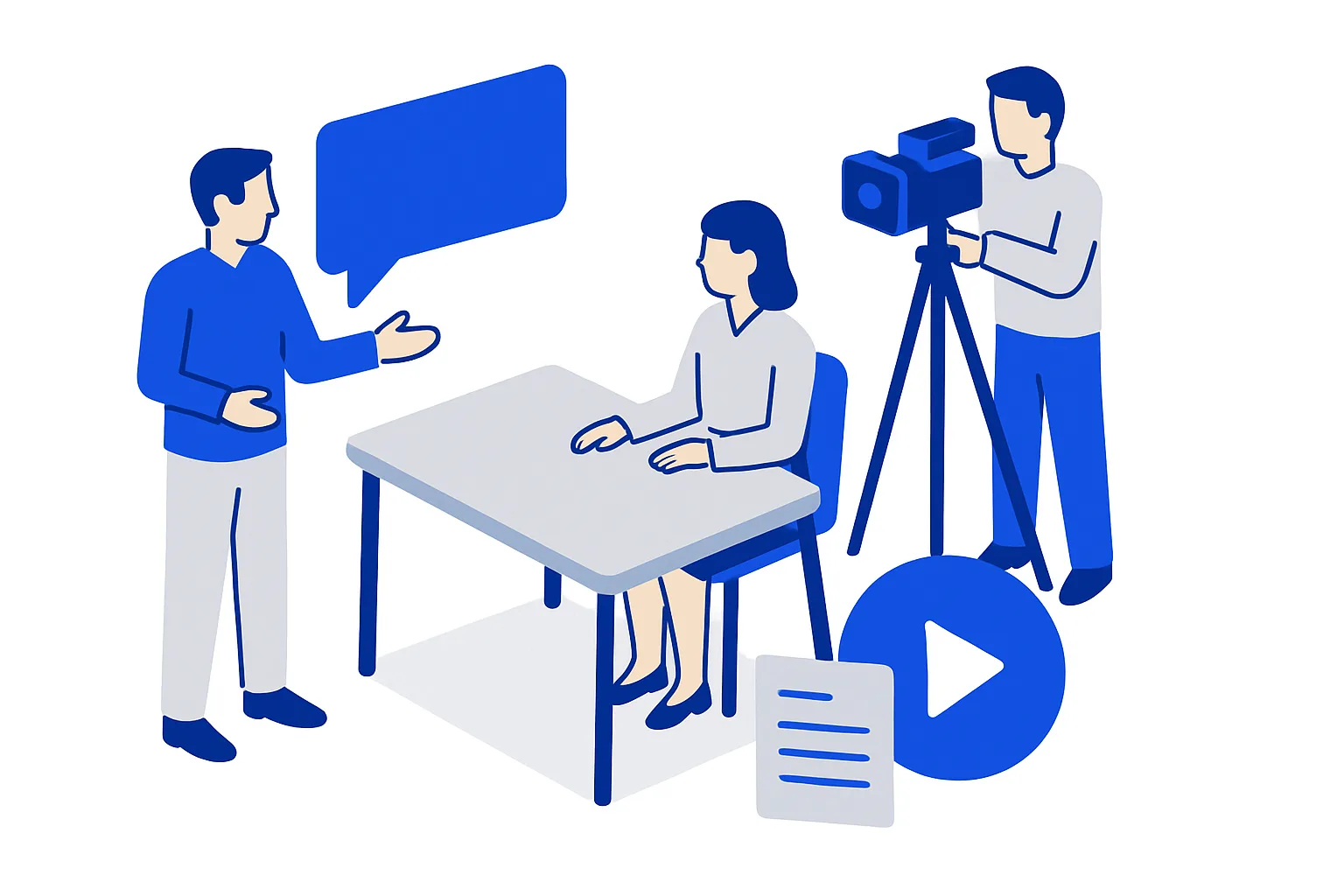
- Roleplay with a tough partner who plays a skeptical buyer, not a supportive friend.
- Record it with everyone's consent, using a phone voice memo or a video call's record button.
- Review for rush and confusion: where you sped up, where they interrupted, where jargon crept in.
- Book a low-stakes real prospect, not your dream account, for a transparent pilot or feedback session, and obtain their consent.
- Fix one thing at a time, then run it again.
Common mistakes
- Rehearsing only with friends who nod along
- Memorizing the script so rigidly you can't absorb a question mid-flow
- Saving your first live run for your most important prospect
Real-world examples
- Recording and reviewing calls is standard practice on professional sales teams. Tools like Gong exist specifically to record, transcribe, and analyze sales conversations. A solo founder gets most of the benefit from a consented voice memo.
- Rob Fitzpatrick's The Mom Test documents why friendly listeners produce compliments instead of truth. That's why a skeptical stand-in or real prospect matters.
From a founder's point of view
Watching a recording of yourself pitching is uncomfortable exactly once. After that it's just data, and it improves the script faster than ten silent rehearsals in the shower.
Rule of thumb
If your pitch has never been interrupted, questioned, or recorded, it hasn't been rehearsed. It's been recited.