Connecticut's AI Responsibility and Transparency Act begins phasing in Oct 1, 2026: employers filing WARN layoff notices must disclose whether AI drove the cuts, and using an automated hiring tool is no defense to a discrimination claim. Broader applicant/employee AI-use disclosure follows Oct 1, 2027, and the Attorney General gets a notice-and-cure window through 2027.
Home › Founders News › Regulations
Connecticut's AI employment law (CART Act) starts phasing in Oct 1, 2026
Why this matters for founders
Connecticut employers using AI in hiring or layoffs should update WARN filings and applicant notices, and audit any automated hiring tools for bias, before Oct 1, 2026.
Source: Ropes & Gray
Related updates
More that helps you.
Colorado delays its landmark AI Act to January 1, 2027
On May 14, 2026, Governor Polis signed SB 189, delaying Colorado's AI Act effective date from June 30, 2026 to January 1, 2027 and substantially narrowing employer obligations. The…
Maine requires pay ranges in job postings starting July 29, 2026
Maine's pay-transparency law takes effect July 29, 2026, requiring employers to include a good-faith range of pay in job postings. Separately, Maine set its 2026 paid family and me…
NZ Health & Safety Amendment Act lets small firms (<20 workers) focus on critical risks
The Health and Safety at Work Amendment Act 2026 received Royal Assent on 13 July 2026, with the main changes taking effect 1 April 2027. It creates a new 'small PCBU' category for…
Tennessee bans noncompetes for workers earning under $70,000 from July 1, 2026
A new Tennessee law effective July 1, 2026 voids noncompete agreements for employees who earn less than $70,000 per year. It joins a broader 2026 wave of state limits on low-wage n…
Get briefs like this tuned to you.
In the app, Founder Briefs are personalized to your country, industry and stage, and you can save the ones that matter.
See plans →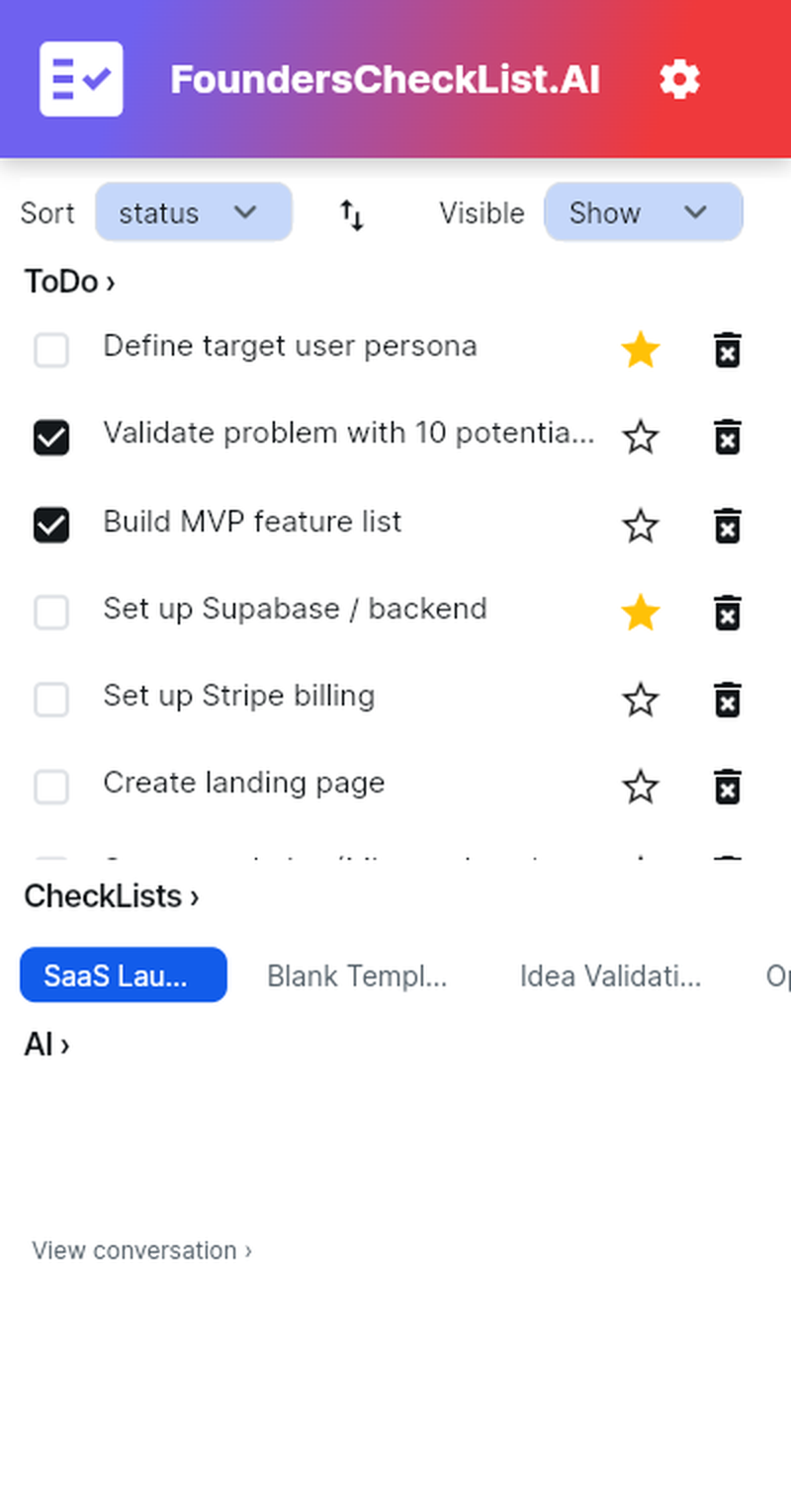

Keep exploring
Related across the site
ChecklistHire your first employee the legal wayEverything a first-time employer needs, in order: classification, registration, workers' comp, payroll, and a first week that sets your new hire up to succeed.ToolDocuSignDocuSign lets you send documents for legally binding electronic signature and track their status. It handles contracts, NDAs, offer letters, and other agreements with an audit trail.TermEIN (Employer Identification Number)A unique nine-digit number the US IRS assigns to your business for tax and identification purposes, like a Social Security number for your company.GuideEmployee or contractor: classify rightWorker classification drives payroll taxes, benefits, and legal risk. Learn the IRS control tests so your first hire does not turn into an expensive misclassification case.GuideGet new hire paperwork done rightForm I-9, Form W-4, and the state new hire report are mandatory for your first employee. Here is what to collect, the deadlines that apply, and how to store it all.GuideHang required labor law posters rightFederal and state labor law posters are mandatory once you hire, and all of them are free from the government. What to hang, where to hang it, and which mailers to ignore.