HomeOpen a Hair Salon › Take card payments, stop losing sales

Take card payments, stop losing sales

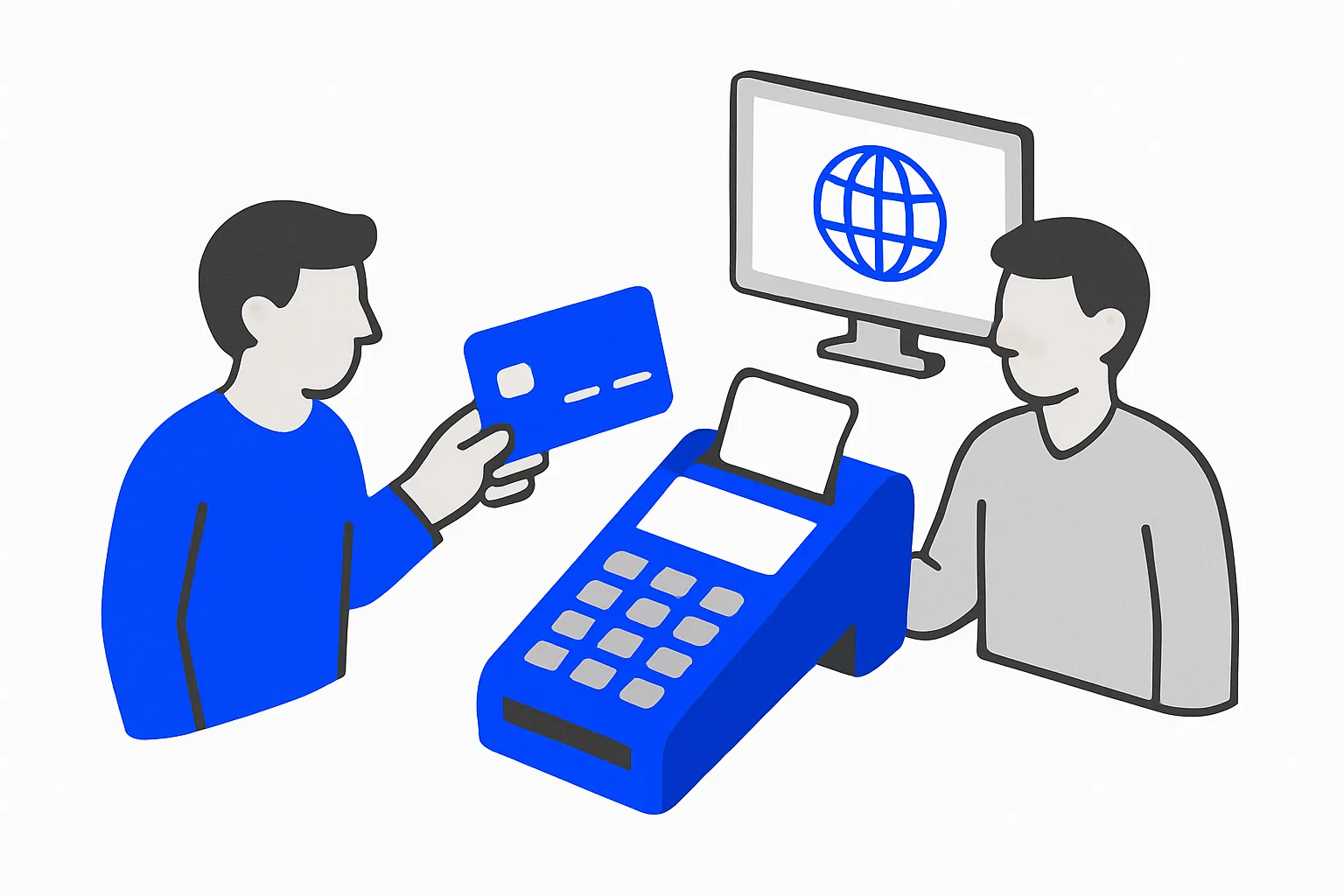
Accept card and contactless wherever you sell, in person or online, and stop turning every cash only moment into a sale you worked to earn and lost.

Updated Jul 28, 2026 ·
Take card payments, stop losing sales

Why this matters

Every "cash only" or "card machine is down" moment is a sale you worked to attract and then refused. Card and contactless are how most customers now expect to pay in person, and online they are the only way. The setup takes an afternoon; the lost sales from skipping it repeat every single day.

What "done" looks like

  • You can take card and contactless payments wherever you sell, counter, curbside, or checkout page
  • A real card transaction has succeeded and the money reached your business bank account
  • Receipts go out automatically
  • You know your effective fee rate (typically 1.5-3% per transaction)

How to do it

  1. Pick a processor that fits how you sell, Square or SumUp for counters and mobile setups, Stripe or your e-commerce platform's native payments for online, or one provider that covers both.
  2. Connect your business bank account for payouts before your first sale.
  3. Order the hardware if you sell in person, a basic reader runs $0-$60, a full terminal $100-$300.
  4. Run a live test, charge a real card, refund it, and confirm the receipt and the payout timeline (usually 1-2 business days).
  5. Advertise that you take cards, on the door, the menu, the website. It measurably changes buying behavior.

Common mistakes

  • Signing a multi-year terminal lease from a legacy provider, modern processors have no lock-in
  • Ignoring fees until they surprise you, 2.6% on everything is real money at volume, so price it in
  • Online: forcing customers to create an account before they can pay

Real-world examples

  • Square made in-person card acceptance trivial for tiny businesses: its original mobile reader (launched around 2009 to 2010) simply swiped magnetic-stripe cards from a phone or tablet, no long-term contract, complex approval, or upfront cost. Square didn't ship a chip-and-contactless reader until 2015. It has since become a cornerstone of US small-business payments.
  • For online sales, the equivalent default is Stripe, most bootstrapped founders wire up hosted checkout before building anything custom, the same reflex covered in setting up Stripe billing and an online storefront.
  • The general pattern for a new business is to reach for a hosted processor first (Square in person, Stripe online) and only consider bespoke payment integrations once volume clearly justifies the engineering.

From a founder's point of view

Being cash-only quietly turns away every customer who assumed they could tap a card, and most of them won't come back to ask. Modern readers make acceptance almost frictionless, so the real decision is just picking a processor and eating a small per-transaction fee as a cost of doing business. The fee stings less than the sales you never made because someone had no cash on them.

Rule of thumb

If a customer holding a card or a phone can pay you in under 30 seconds, you are done.
Our guides are researched and reviewed from multiple angles, including AI tools, primary sources, and experienced founders. They are general information, not professional advice. Please verify important details yourself or with a qualified professional.

Stop reading. Start checking it off.

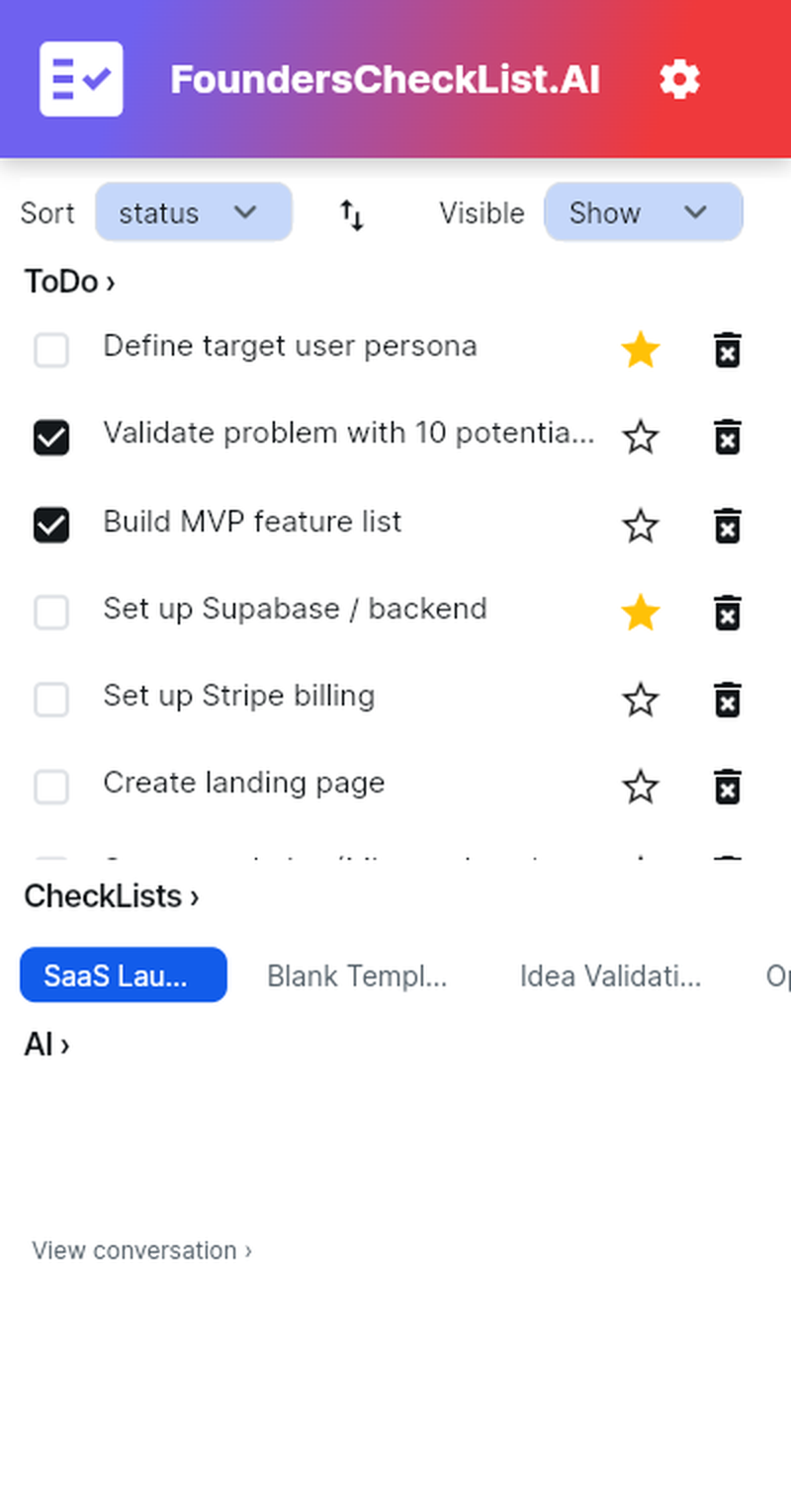
"Take card payments, stop losing sales" is a live step inside FoundersCheckList.AI, seeded into your checklist, tracked, and pushed forward by an AI coach that reads your real progress.

Don't just read it, check it off.

This step lives inside a working checklist, with an AI coach pushing you through it.

Start for free →
Free plan available · No credit card required
Keep exploring

Related across the site

News2026: 100% bonus depreciation permanent, Section 179 cap $2.56MIf you are buying equipment, machinery, vehicles, or off-the-shelf software, you can write off the full cost in year one instead of depreciating it over years — a meaningful cash-flow boost in a build-out year. Because 100% bonus depreciation is now permanent, you no longer have to rush purchases to beat a phase-out deadline, so time buys around actual business need. Coordinate Section 179 and bonus depreciation with your CPA to maximize the deduction against your taxable income.NewsIRS interest rate climbs to 7% for Q3 2026 underpayments and refundsUnderpaying quarterly estimated taxes now costs 7% annualized, so recompute your Q3 estimate (due Sept 15) and top up withholding to hit a safe-harbor payment and avoid the higher penalty.NewsRetail rents hit $24.79/sq ft in Q2 2026 as availability stays tight at 4.9%For a retail, restaurant, or storefront business, expect little bargaining power on rent and few vacancies in prime corridors, so budget higher occupancy costs and start your space search early. Strip-center closures mean some second-generation spaces (already built out) are opening up, which can cut your fit-out costs, worth targeting over raw new construction. Sun Belt metros still have the most new inventory if you need choice.ToolAcuity SchedulingAcuity Scheduling (a Squarespace product) is an online appointment-booking tool geared toward service businesses, handling bookings, intake forms, payments, and packages.ToolFreshBooksFreshBooks is cloud accounting and invoicing software aimed at freelancers and service-based small businesses, with strong time tracking, expenses, and client billing.ToolGustoGusto runs full-service payroll for US businesses, handling paychecks, tax filing, and direct deposit, plus benefits, onboarding, and contractor payments. It automates federal, state, and local payroll tax compliance.