Why this matters
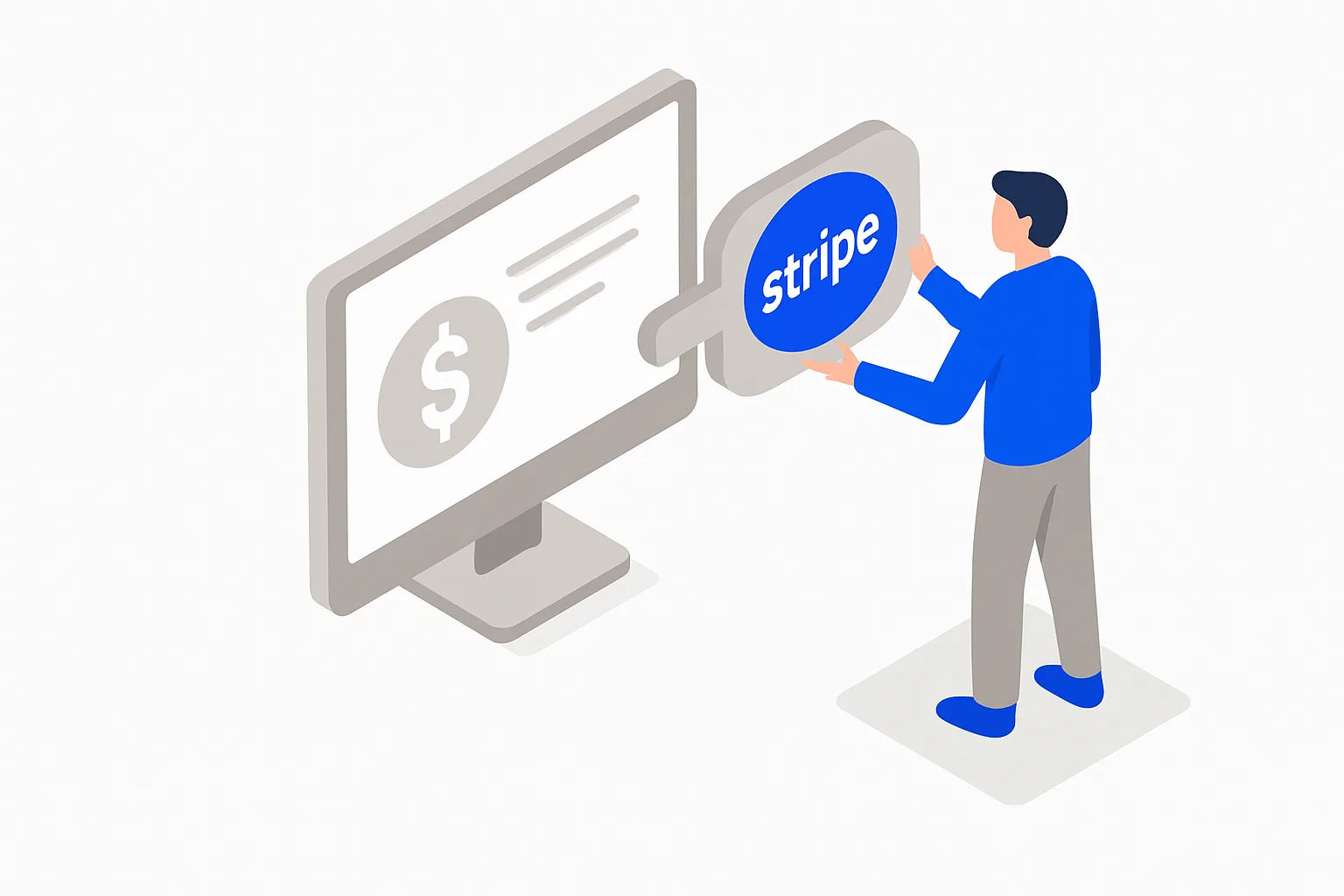
You cannot build a real business without a way to get paid. Setting up billing early forces you to answer hard questions: what you charge for, how much, and how often. It turns "interested" visitors into actual customers. Founders who postpone billing usually postpone revenue, and payment is stronger validation than stated interest.
What "done" looks like
- A Stripe account is live and verified for your business entity
- Your product can create a paid subscription (or one-time charge) end to end
- A test payment and a real payment have both succeeded
- Receipts reach the customer automatically
How to do it
- Create your Stripe account and complete business verification (name, address, bank account for payouts).
- Model your prices in Stripe. Create Products and Prices that mirror your pricing tiers. Keep it to 2 to 3 plans at launch.
- Integrate checkout. Start with Stripe Checkout or Payment Links. They are hosted, PCI-compliant, and take hours, not weeks. Custom billing UIs can wait.
- Handle the webhook basics, at minimum
checkout.session.completedand subscription cancellation, so your app knows who has paid. - Run a live test, pay with a real card, refund it, and confirm the receipt email arrives.
Common mistakes
- Building a custom payment form before validating that anyone will pay
- Launching with only monthly billing when annual plans suit the product and could improve cash flow
- Forgetting tax settings (Stripe Tax can assist with calculation and collection, but it does not replace tax advice or every filing duty)
Real-world examples
- Substack uses Stripe to power payments for paid subscriptions, letting writers charge readers.
- Many startups turn on their first paid plan with Stripe Checkout or Payment Links in a weekend, before writing any custom billing UI. Hosted checkout reduces the PCI and engineering barriers that can delay first revenue.
- The pattern repeats across bootstrapped SaaS: the fastest-to-revenue founders reach for hosted checkout first and only build custom billing once volume clearly justifies the investment.
From a founder's point of view
Turning billing on tends to feel scarier than it actually is. The moment a real card clears, the project stops feeling like a hobby and starts behaving like a business, and that shift in how seriously you treat the work is often worth more than the first dollar it brings in.
Rule of thumb
If a stranger cannot give you money within five minutes of wanting to, your billing setup is not done.