Why this matters
Receipts are your deduction proof and your audit defense, and paper ones fade, vanish, and pile up. In an audit, expenses you cannot document can be disallowed. Snapping receipts the moment you get them turns a year-end shoebox crisis into a two-second habit.
What "done" looks like
- The QuickBooks mobile app is installed and signed in to your company
- Receipts are snapped at purchase time and matched to bank transactions
- Email receipts are forwarded in automatically instead of downloaded and uploaded
- There is no paper pile waiting for "later"
How to do it
- Install the QuickBooks mobile app and sign in.
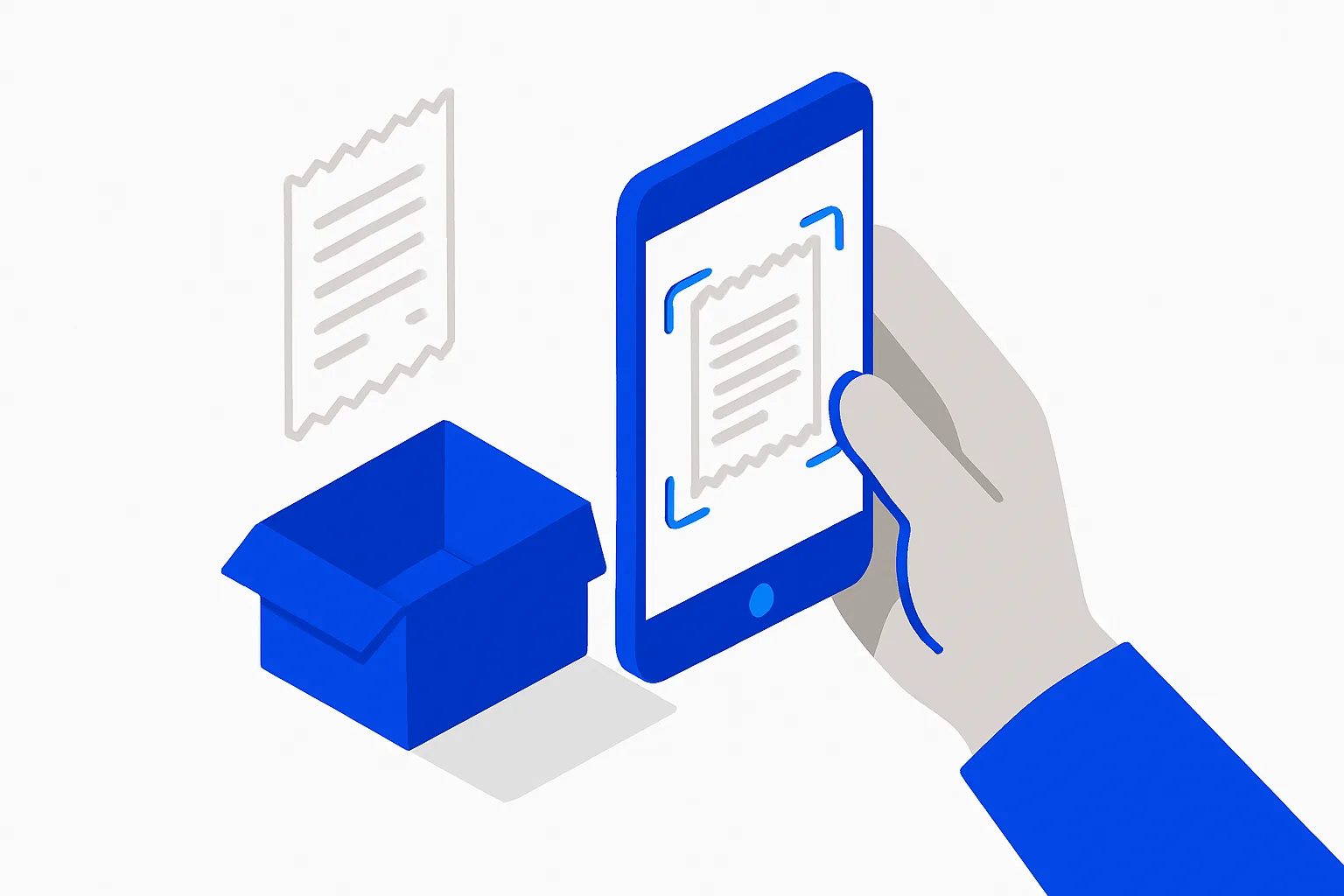
- Snap every paper receipt at the register. QuickBooks reads the vendor, date, and amount from the photo and drafts the transaction.
- Review and match: in Transactions → Receipts, confirm details and match each receipt to the imported bank transaction so it attaches instead of duplicating.
- Register your email for receipt forwarding so digital receipts (cloud services, ads, travel) flow in with a simple forward.
- Note the business purpose on meals and travel receipts. Meals and travel require a documented business purpose in addition to the receipt details.
Common mistakes
- Saving receipts to the camera roll "to enter later." Later never comes
- Adding a receipt and separately accepting the bank-feed line, creating duplicates instead of matching
- Skipping cash receipts. Cash has no bank trail, so the receipt is the only record
Real-world examples
- IRS guidance (Publication 463) generally requires documentary evidence for expenses of $75 or more, and for all lodging.
- QuickBooks' documented receipt-capture flow extracts data from a photo and matches it to bank-feed transactions. The feature exists so the shoebox does not have to.
From a founder's point of view
The receipt habit is entirely about latency: five seconds at the counter, or an hour of forensic accounting in April. Attach it once at purchase and the audit file builds itself as a side effect.
Rule of thumb
If the receipt was not snapped before you left the parking lot, assume it is gone. Capture at the moment of purchase, every time.