Why this matters
Your opening line has one job: earn the next 30 seconds. First-time founders cram the whole pitch into it, history, features, pricing, and lose the listener before the conversation starts. A weak opener means the rest of the pitch you build in this checklist never gets heard.
What "done" looks like
- One or two sentences you can say from memory without rushing
- It names who you help and their problem (step 1), not your features
- Someone outside your industry understands it on first hearing
- It ends in a way that invites a reply, not a monologue
How to do it
- Start from your problem statement: the opener is that problem pointed at the listener.
- Draft the plain version: "We help [who] fix [problem in their words]." No adjectives, no jargon.
- Cut it to under ten seconds spoken aloud; delete any word that can go without changing the meaning.
- End with a question ("Is that something you run into?") so the prospect talks next.
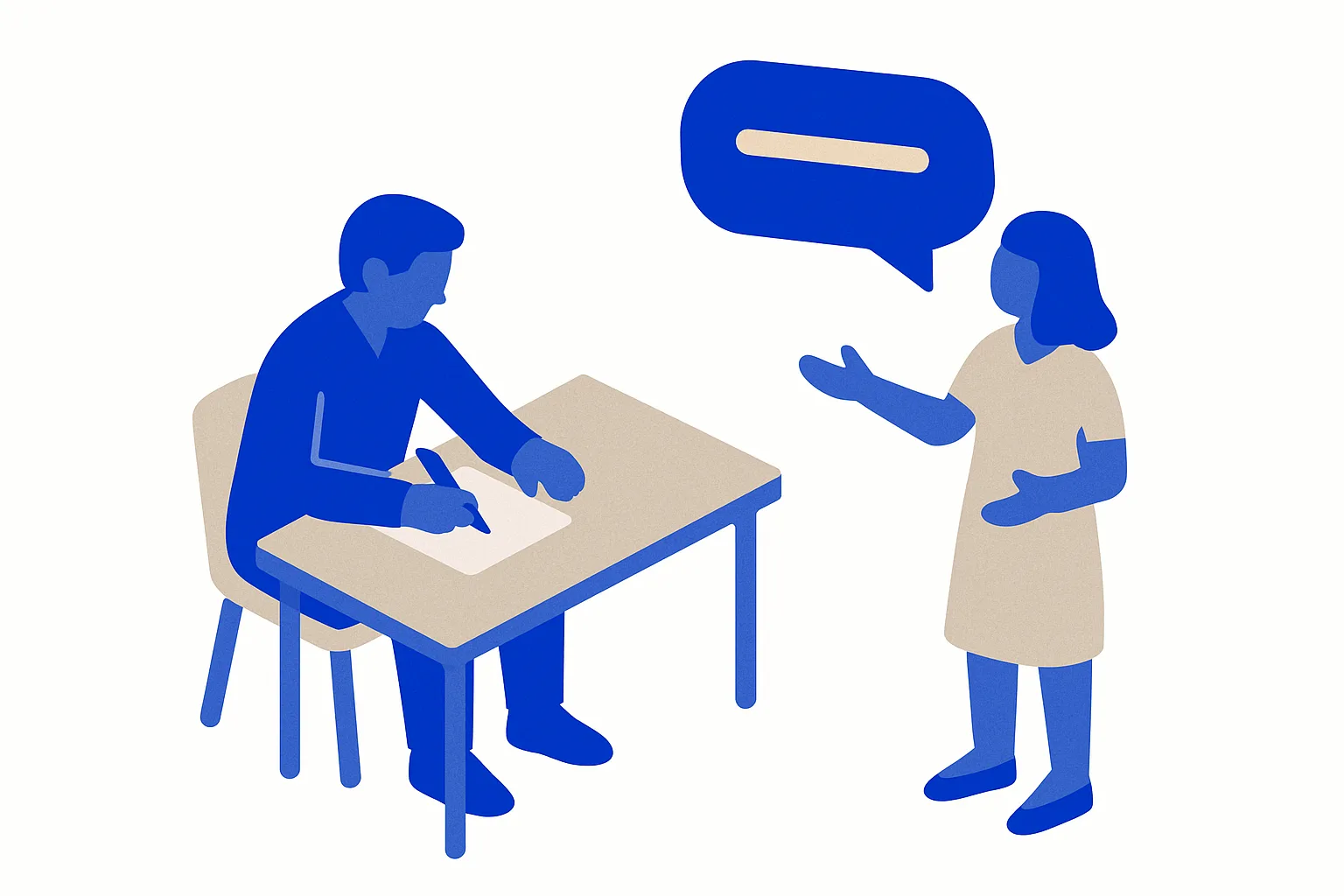
- Test it on strangers: a relevant follow-up question is a positive signal. Also ask them to explain what you do; if they cannot, rewrite it.
Common mistakes
- Opening with company history or the technology stack
- Buzzwords, "innovative," "seamless," "revolutionize", that say nothing concrete
- Selling in the opener; the close comes at the end of this checklist, not in sentence one
Real-world examples
- Apple introduced the iPod in 2001 as "1,000 songs in your pocket", one concrete line a stranger got instantly, while competitors led with gigabytes.
- The standard accelerator pattern is a one-sentence "We help X do Y" opener, boring on purpose, because clarity beats cleverness at the top of a pitch.
From a founder's point of view
It feels risky to open with something so plain. But the opener isn't where you prove you're smart, it's where you prove you're relevant. Relevance is what buys you the next 30 seconds.
Rule of thumb
If you can't say your opener in one breath and get a question back, it's still a pitch, not an opening line.