What they achieved
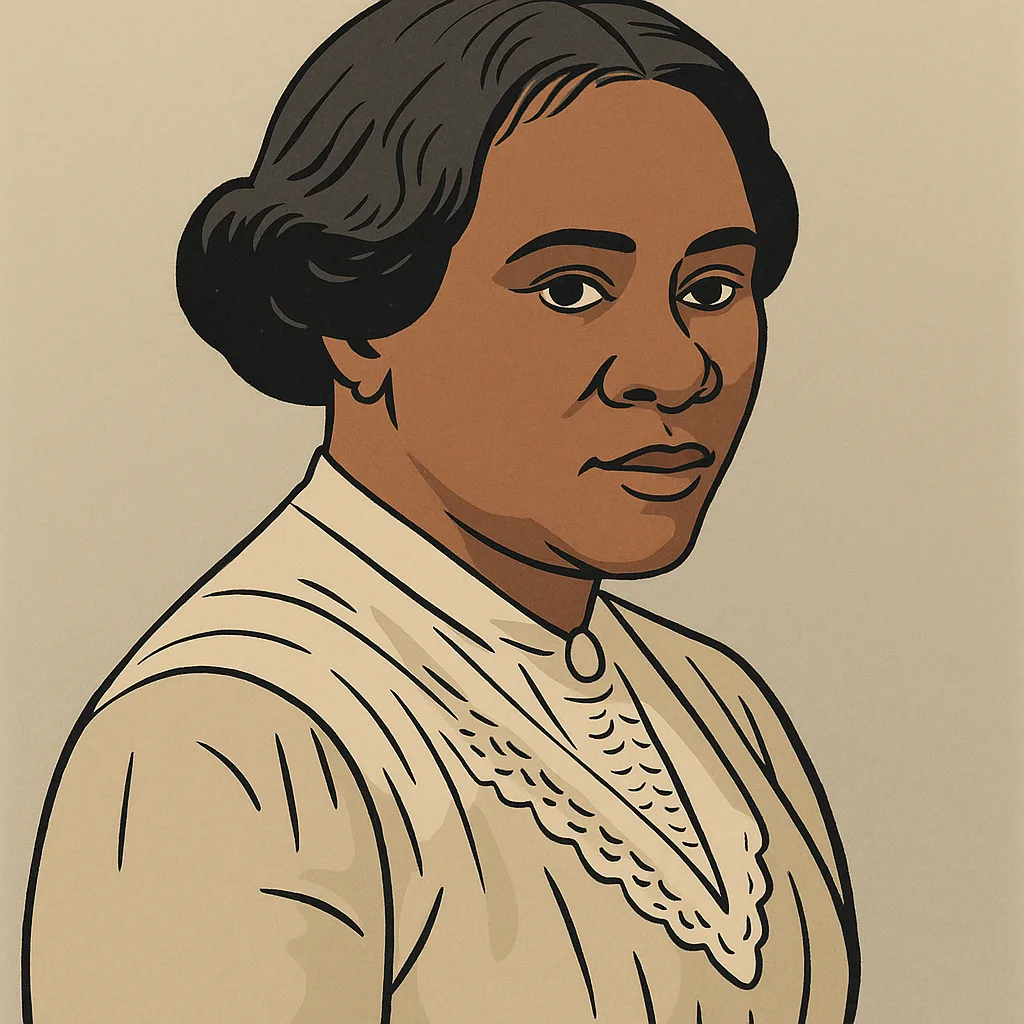
Madam C.J. Walker built a national hair-care and cosmetics business at a time when Black women, and women generally, were shut out of capital and commerce. She is widely cited as one of the first self-made female millionaires in America, and she did it by manufacturing her own products and building a distribution army of Black women agents.
The founding story
Born Sarah Breedlove in 1867 to formerly enslaved Louisiana sharecroppers, she was orphaned young, married at 14, and widowed by 20. Suffering hair loss, she developed a scalp treatment and hair-care system. She worked as a sales agent for Annie Malone's Poro products before launching her own line, and in 1908 formally established the Madam C.J. Walker Manufacturing Company.
Overview
Walker's model combined manufacturing with a direct-sales network. She recruited and trained thousands of 'beauty culturalists' who bought her products wholesale and resold them, earning independent incomes. She opened a training school and a factory in Indianapolis, advertised heavily in the Black press, and expanded into the Caribbean and Central America.
Analysis
The genius was not one product but a system: manufacturing, training, and a commission sales force that created livelihoods for others. Walker understood her customer intimately because she was her customer. She also used philanthropy and public activism deliberately, tying her brand to Black uplift and community institutions.
What they did well
She controlled production instead of just reselling. She scaled through people, turning customers into agents. She marketed relentlessly in channels her competitors ignored, and she reinvested wealth into causes that reinforced her brand and community standing.
What it means for you
Solve your own painful problem first, then productize the solution. Distribution can be a moat: Walker's agent network was harder to copy than her formula. And selling something that also empowers your customers, giving them income or status, creates loyalty money alone can't buy.
Caveats
Her figures come from a pre-modern, poorly documented era; the exact size of her estate is debated, and 'first female millionaire' is a contested honor (Annie Malone has a similar claim). She operated in a specific segregated market with few competitors of scale. Her success was extraordinary precisely because the odds against a Black woman in 1900s America were crushing, not a repeatable formula.
Conclusion
Walker proved that manufacturing, distribution, and community can be built from almost nothing. Her real lesson is durable: own your production, scale through people, and align your business with the people it serves.