Why this matters
Filing isn't done when you click submit, it's done when the IRS accepts the return and you can lay hands on a complete copy years later. Rejected e-files that nobody notices become late filings with penalties. And the IRS can ask questions years after filing; your archive is the only defense.
What "done" looks like
- E-file status shows "accepted", not just "transmitted", for federal and state
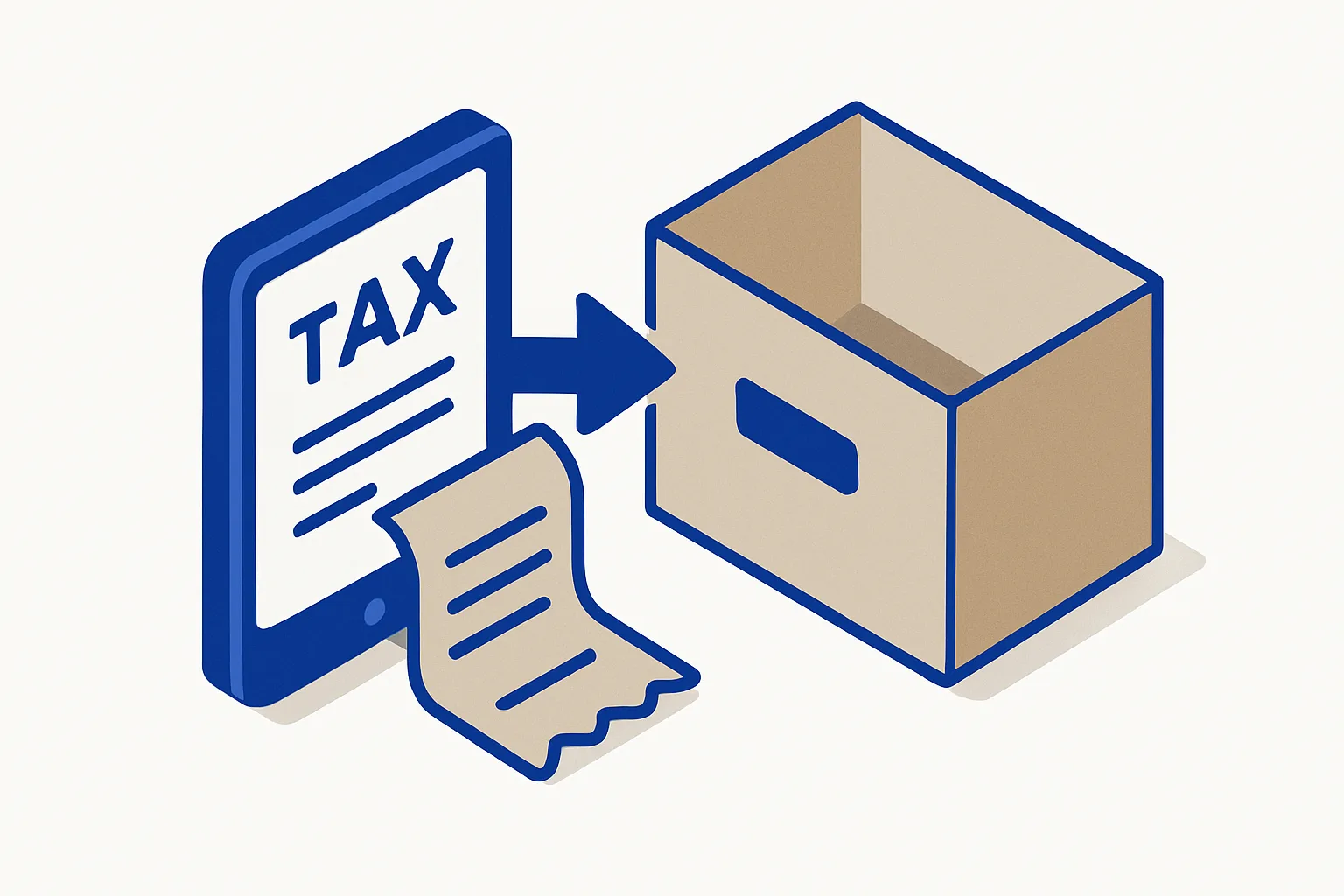
- A full PDF of the return, including worksheets, saved to your own storage
- Receipts, mileage logs, and depreciation schedules archived with the return
- Payment or refund confirmed against your bank account
How to do it
- E-file, then verify acceptance, TurboTax emails the status; a rejection (often a mismatched AGI or EIN) must be fixed and resent before the deadline.
- Download the complete PDF with all forms and worksheets, not the summary version.
- Archive supporting documents in the same folder: receipts, 1099s, mileage logs, home-office math, depreciation schedules.
- Confirm the money moved, the balance-due withdrawal or refund deposit, matched in your bank.
- Store it redundantly, cloud plus one other location; don't rely on the software keeping it for you.
Common mistakes
- Assuming "transmitted" means "accepted" and missing a rejection
- Relying on TurboTax as the only copy of your return
- Archiving the return but not the receipts that justify its numbers
Real-world examples
- TurboTax Online's availability of prior-year returns is limited and can change, a reason to keep your own PDFs.
- IRS record-keeping guidance: keep records at least 3 years, 6 years if income was underreported by more than 25%, and 4 years for employment tax records.
From a founder's point of view
Tax archives are an asset, not clutter. Loans, acquisitions, and audits all start with "send us three years of returns." Producing a complete, organized package in an hour signals a business that runs properly, and its absence signals the opposite.
Rule of thumb
You're done when a stranger could reconstruct and defend your return from your archive alone, three years from now.