
HomePitch Your Business › Turn every pitch into a better deck

Turn every pitch into a better deck

Every investor meeting generates data. Log the questions, find the slide that caused them, and ship a sharper pitch deck before the next call.

Updated Jul 31, 2026 ·
Turn every pitch into a better deck

Why this matters

Every pitch is free market research. The questions people ask reveal exactly where your story is confusing or your case is weak. Founders who don't log and fix those patterns give the same shaky pitch fifty times.

What "done" looks like

  • A running list of every question and objection you heard
  • Patterns flagged when the same question comes up twice
  • The specific slide or line that triggered each question, fixed
  • A visibly tighter deck after a handful of pitches
  • Fewer repeat questions over time

How to do it

  1. Write it down immediately. Right after the meeting, list every question and where they looked confused.
  2. Cluster the questions. After a few pitches, group them; a question asked three times is a broken slide, not a one-off.
  3. Trace each to a cause. Ask which slide or sentence made them ask it, then edit that spot.
  4. Fix, don't just answer. Rework the deck so the question never comes up, rather than memorizing a rebuttal.
  5. Track the trend. Note which questions disappear; that's proof the fix worked.

Common mistakes

  • Blaming the audience instead of the deck when a question repeats
  • Never writing questions down, so patterns stay invisible
  • Rewriting everything after one bad meeting instead of waiting for a pattern

Real-world examples

  • Startup accelerators run repeated practice pitches specifically so founders can refine the deck against real questions before demo day.
  • Product teams treat recurring support questions as documentation gaps, the same feedback-loop logic applied to a pitch.
  • Sales teams commonly maintain objection logs so the next rep has a better answer ready, a widely used practice.

From a founder's point of view

A pitch deck is never finished; it's a draft that the market keeps editing for you. The founders who improve fastest treat every hard question as a gift that shows them the exact word to change. Ego makes you defend the slide; discipline makes you fix it.

Rule of thumb

If you heard the same question for the third time and the slide is unchanged, the problem is you, not them.

Our guides are researched and reviewed from multiple angles, including AI tools, primary sources, and experienced founders. They are general information, not professional advice. Please verify important details yourself or with a qualified professional.

Stop reading. Start checking it off.

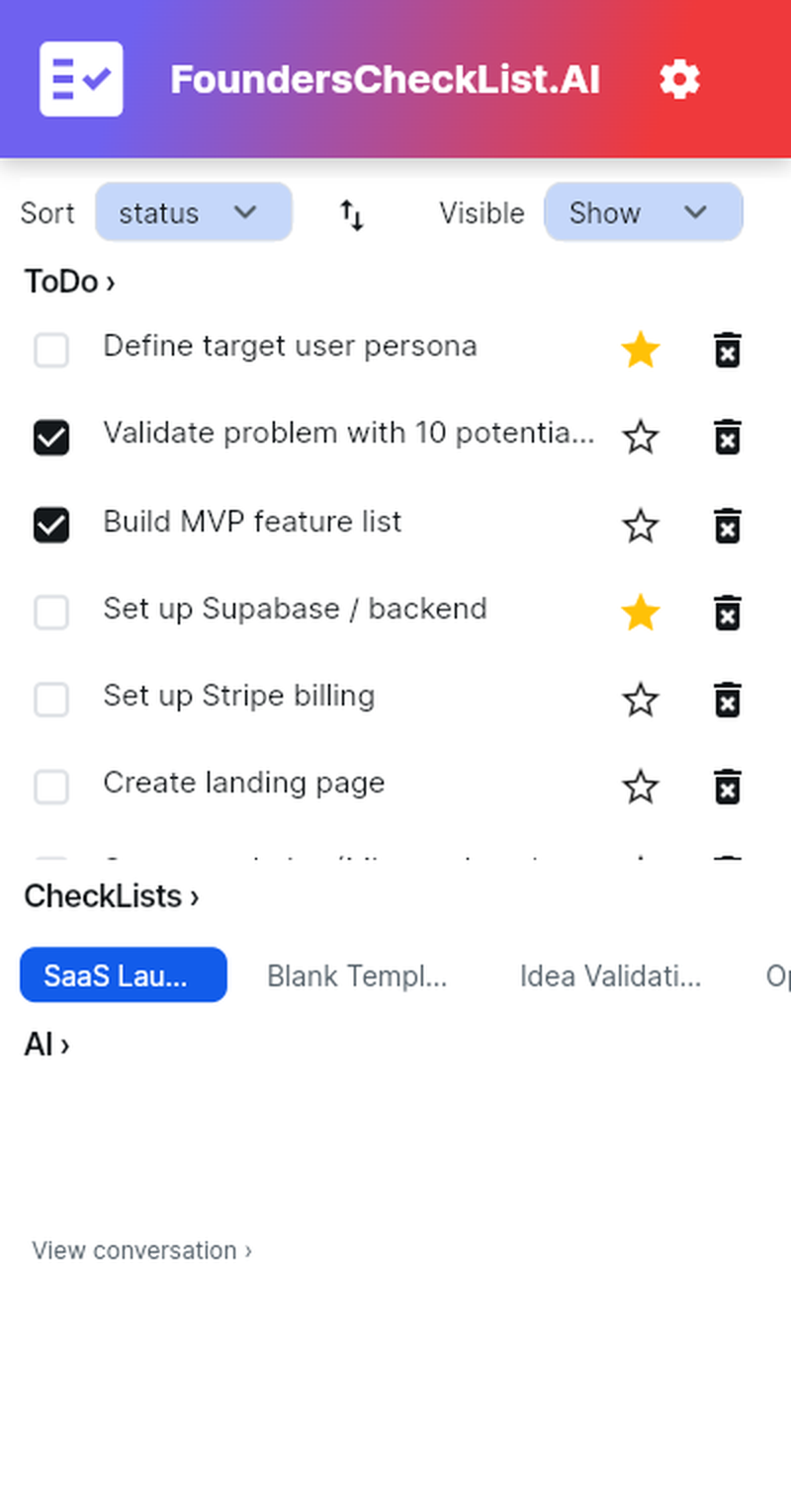
"Turn every pitch into a better deck" is a live step inside FoundersCheckList.AI, seeded into your checklist, tracked, and pushed forward by an AI coach that reads your real progress.

Don't just read it, check it off.

This step lives inside a working checklist, with an AI coach pushing you through it.

Start for free →
Free plan available · No credit card required
Keep exploring

Related across the site

Case studyReginald F. LewisTLC Beatrice InternationalNews$20,000 instant asset write-off to become permanent from 1 July 2026For an Australian founder running a company under $10M turnover, this turns the write-off from a year-end scramble into an ongoing cash-flow lever, so you can time laptop, tooling and equipment purchases across the whole year and expense each item under $20,000 immediately. Confirm each asset is installed ready for use in the year you claim, and keep watching for the enabling legislation since the permanent rule is not yet law.News2026: 100% bonus depreciation permanent, Section 179 cap $2.56MIf you are buying equipment, machinery, vehicles, or off-the-shelf software, you can write off the full cost in year one instead of depreciating it over years — a meaningful cash-flow boost in a build-out year. Because 100% bonus depreciation is now permanent, you no longer have to rush purchases to beat a phase-out deadline, so time buys around actual business need. Coordinate Section 179 and bonus depreciation with your CPA to maximize the deduction against your taxable income.NewsAEWV minimum pay rises to NZD $23.95/hr from 1 April 2026Any founder hiring a migrant through the AEWV scheme must ensure offer letters and job ads meet the $23.95/hr floor from 1 April 2026 or risk visa refusal. Budget wage costs against the new rate before advertising, and note the reduced 2-year work-experience requirement makes overseas hires easier than in prior years.ToolAcuity SchedulingAcuity Scheduling (a Squarespace product) is an online appointment-booking tool geared toward service businesses, handling bookings, intake forms, payments, and packages.ToolFreshBooksFreshBooks is cloud accounting and invoicing software aimed at freelancers and service-based small businesses, with strong time tracking, expenses, and client billing.