HomeFind & Work with a Lawyer › Legal work you should never DIY

Legal work you should never DIY

Templates cover routine paperwork, but equity splits, employment disputes, and IP fights are where DIY legal work turns into expensive litigation. Know the line.

Updated Jul 31, 2026 ·
Legal work you should never DIY

Why this matters

DIY legal work is rational for routine paperwork and dangerous for one-way doors. The expensive failures aren't botched NDAs — they're equity grants, terminations, and IP disputes handled solo, where mistakes are irreversible or become litigation.

What "done" looks like

  • A written "always call counsel" list your team knows
  • Equity, securities, and fundraising documents never signed without review
  • Employment terminations and disputes routed to counsel before action
  • You can name which current activities sit near a red line

How to do it

  1. Put equity and securities on the list: founder stock, vesting, option grants, SAFEs, priced rounds — securities law and tax deadlines don't forgive improvisation.
  2. Add employment flashpoints: firings, discrimination or harassment complaints, contractor-vs-employee classification, layoffs.
  3. Add IP fights: cease-and-desist letters sent or received, infringement claims, disputes over who owns code or content.
  4. Add government contact: audits, investigations, and regulator inquiries — respond through counsel, not instinct.
  5. Add anything with personal liability: personal guarantees, veil-piercing risks, tax controversies.

Common mistakes

  • Firing someone "quickly and quietly" without documentation or advice
  • Signing investor paperwork you don't understand because it's "standard"
  • Answering a cease-and-desist personally and strengthening the other side's case

Real-world examples

  • The 83(b) election is the canonical irreversible mistake: it must be filed within 30 days of a restricted-stock grant, and courts have rejected filings even one day late.
  • Worker misclassification is a widely documented IRS and Department of Labor enforcement area — back taxes and penalties commonly follow.

From a founder's point of view

The DIY line isn't about difficulty — it's about reversibility and adversaries. Paperwork you can redo cheaply is fair game; anything with an unmissable deadline or a motivated opponent deserves a professional.

Rule of thumb

If a mistake would be irreversible, involve a government agency, or arm someone suing you — it's not a DIY item.

Our guides are researched and reviewed from multiple angles, including AI tools, primary sources, and experienced founders. They are general information, not professional advice. Please verify important details yourself or with a qualified professional.

Stop reading. Start checking it off.

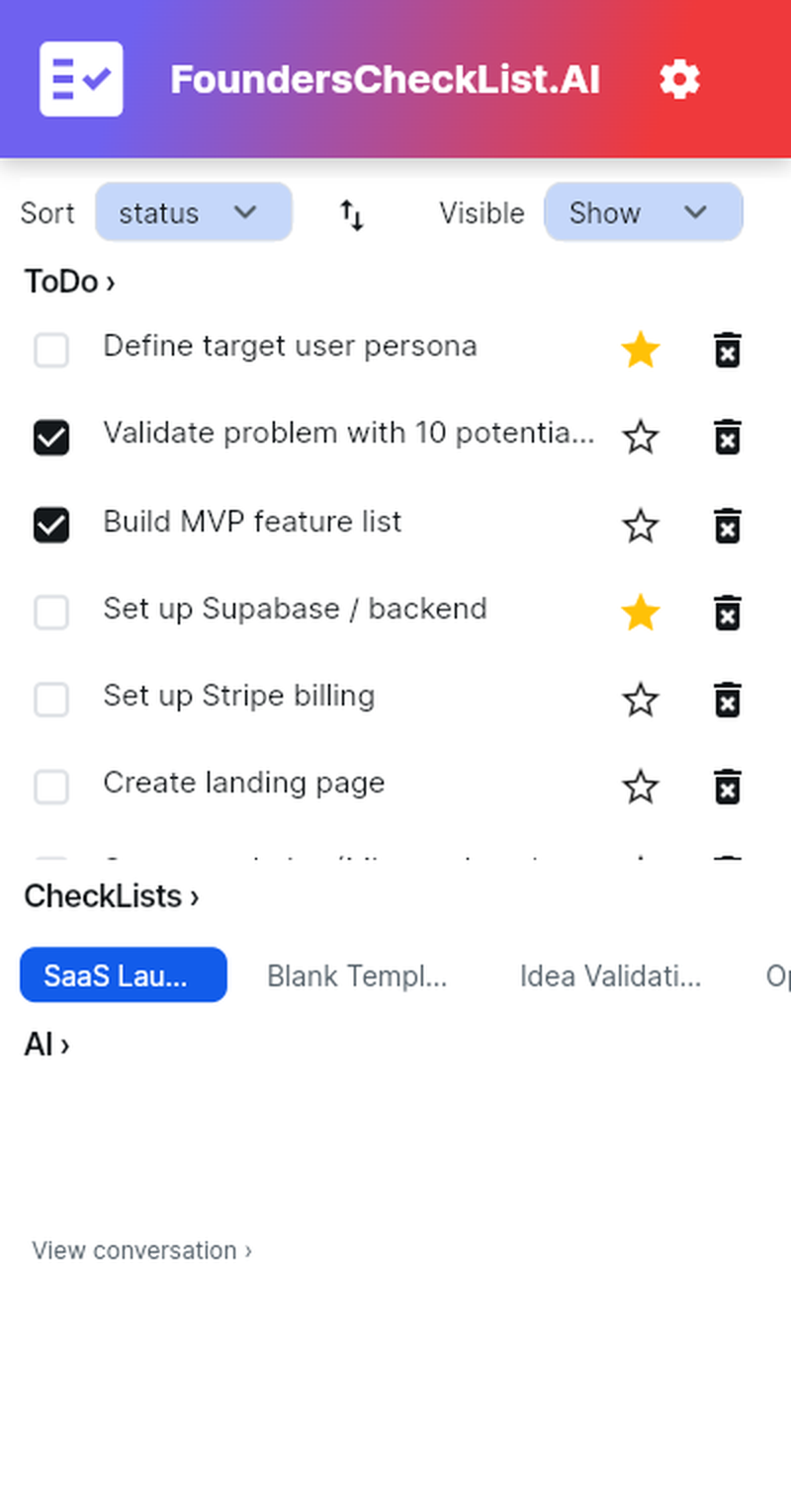
"Legal work you should never DIY" is a live step inside FoundersCheckList.AI, seeded into your checklist, tracked, and pushed forward by an AI coach that reads your real progress.

Don't just read it, check it off.

This step lives inside a working checklist, with an AI coach pushing you through it.

Start for free →
Free plan available · No credit card required
Keep exploring

Related across the site

Case studyOprah WinfreyHarpo ProductionsCase studyReginald F. LewisTLC Beatrice InternationalNewsAEWV minimum pay rises to NZD $23.95/hr from 1 April 2026Any founder hiring a migrant through the AEWV scheme must ensure offer letters and job ads meet the $23.95/hr floor from 1 April 2026 or risk visa refusal. Budget wage costs against the new rate before advertising, and note the reduced 2-year work-experience requirement makes overseas hires easier than in prior years.NewsCourt strikes down $100,000 H-1B fee; First Circuit lets ruling stand (July 2026)If you were holding off on sponsoring an H-1B hire because of the $100K sticker shock, that barrier is lifted for now — petitions previously stalled by the fee can move forward. But this is mid-appeal and could reverse, so if you have a strong overseas candidate, moving sooner reduces your exposure to a fee that may snap back if the government wins.NewsDelaware C-corps must file the annual report and franchise tax by March 1, 2026If you are a Delaware C-corp (the default for VC-backed startups), calendar March 1 and compute tax with the Assumed Par Value Capital method, which usually produces a far smaller bill than the default Authorized Shares estimate. Lost good standing can stall a financing or M&A closing until it is cured.ToolClerkyClerky handles startup incorporation and legal paperwork specifically for founders raising venture capital, generating Delaware C-corp filings, founder stock, and fundraising documents. It focuses on getting the legal details right for future investment.