What they achieved
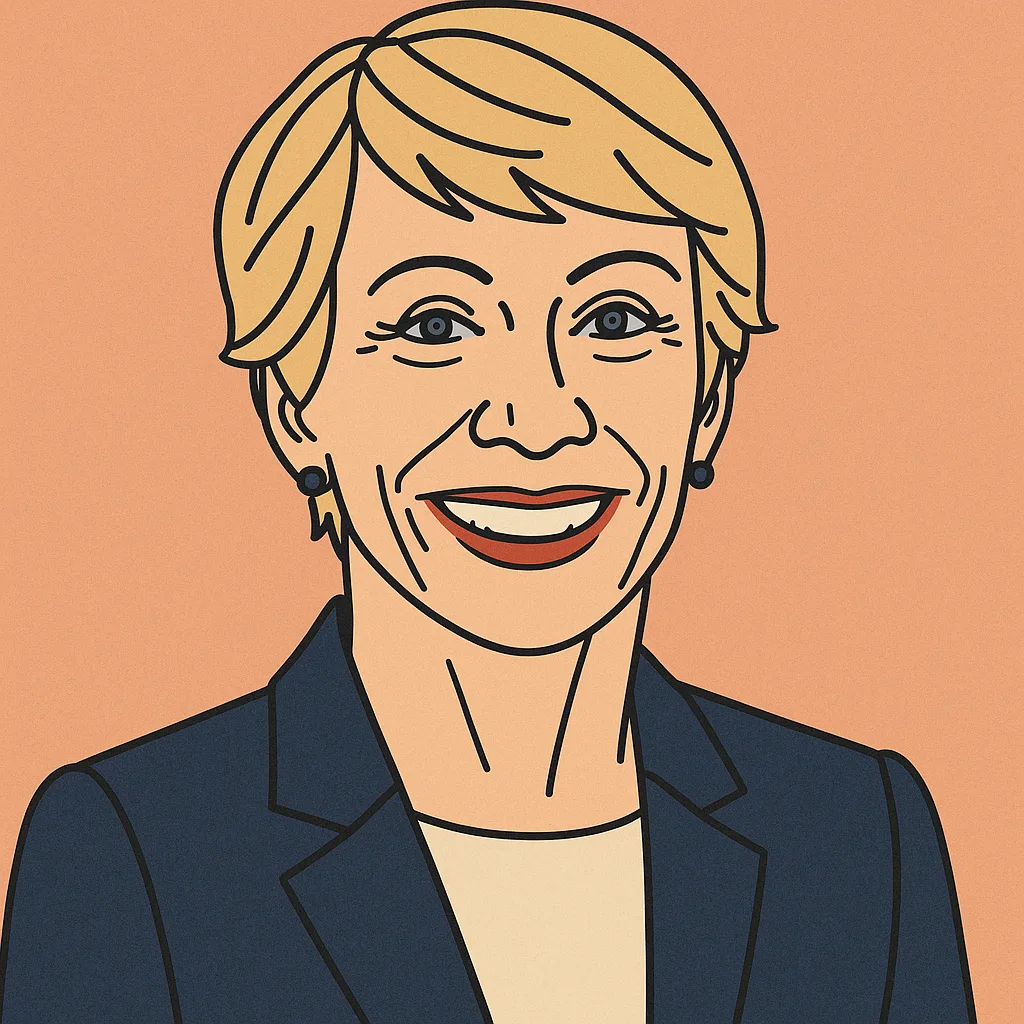
Sara Blakely built Spanx into a category-defining shapewear brand starting with just $5,000 and no investors, becoming (per Forbes in 2012) the world's youngest self-made female billionaire. In 2021 she sold a majority stake to Blackstone at a roughly $1.2 billion valuation.
The founding story
Working as a fax-machine saleswoman in the late 1990s, Blakely wanted a smooth look under white pants and cut the feet off a pair of control-top pantyhose. She spent two years and $5,000 in savings developing the product, wrote her own patent to save on legal fees, and cold-called hosiery mills until one agreed to make it. She personally pitched buyers and even restocked store displays herself.
Overview
Spanx launched in 2000. A pivotal break came when Oprah Winfrey named it a 'Favorite Thing' that year, sending demand soaring. Blakely grew the company for two decades with no outside funding and little traditional advertising, relying on word of mouth and retail placement, before selling control to Blackstone in 2021 while staying on as executive chairwoman.
Analysis
Blakely solved a problem she personally had, in a market incumbents overlooked. Owning 100% of a bootstrapped company meant her equity stayed intact through the sale. Her scrappiness, self-written patent, direct selling, guerrilla merchandising, kept costs low and control high, and the Oprah moment provided credibility money can't easily buy.
What they did well
Solving her own pain point, protecting the idea cheaply, selling relentlessly in person, and refusing dilution. She built brand affection before spending on ads, and she embraced failure as a normal part of trying.
What it means for you
You can start with very little if you solve a real, felt problem and sell it yourself. Bootstrapping keeps your equity and your control. Get your product in front of trusted voices, and don't wait for perfect funding or permission to begin.
Caveats
The Oprah endorsement was extraordinary luck that most founders will never get, and it's easy to overlearn from one viral break. Blakely also had savings, sales skills, and a product with fast, cheap manufacturing, not every idea bootstraps so cleanly. Bootstrapping is a virtue only when your business genuinely doesn't need capital to compete.
Conclusion
Blakely's story is proof that focus, hustle, and solving your own problem can beat big budgets. Copy the resourcefulness and ownership discipline; don't count on a celebrity shortcut.